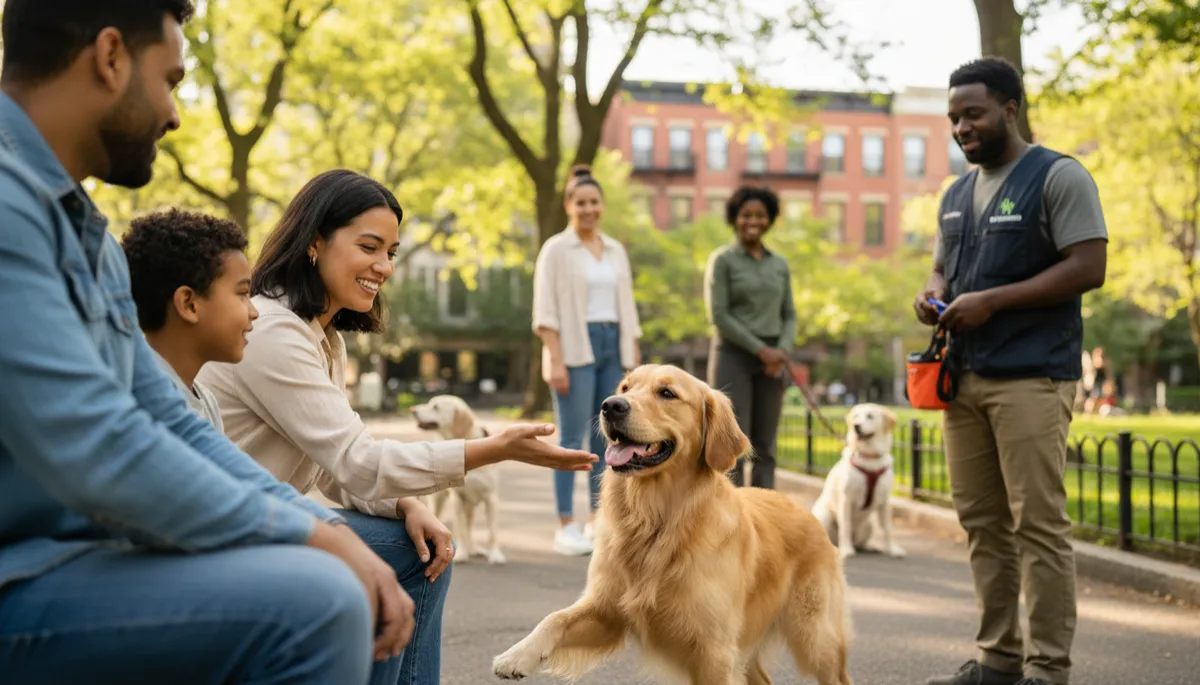
Socialization: Key to Well-Rounded Adult Dogs
Dog Training, Dog Socialization, Puppy Development, Brooklyn NY
Socialization Needs: The Key to Raising a Well-Rounded Adult Dog
Dog socialization isn’t just a “puppy thing” you check off a list and forget. It’s an ongoing process that shapes who your dog becomes as an adult. When you understand your dog’s socialization needs and keep meeting them through puppy development, adolescence, and adulthood, you set the stage for calm, confident, well-rounded adult dogs. Whether you’re raising your first puppy in Brooklyn or working through behavior quirks with an older dog, a thoughtful approach to socialization can transform daily life for both of you.
What Is Dog Socialization and Why Does It Matter?
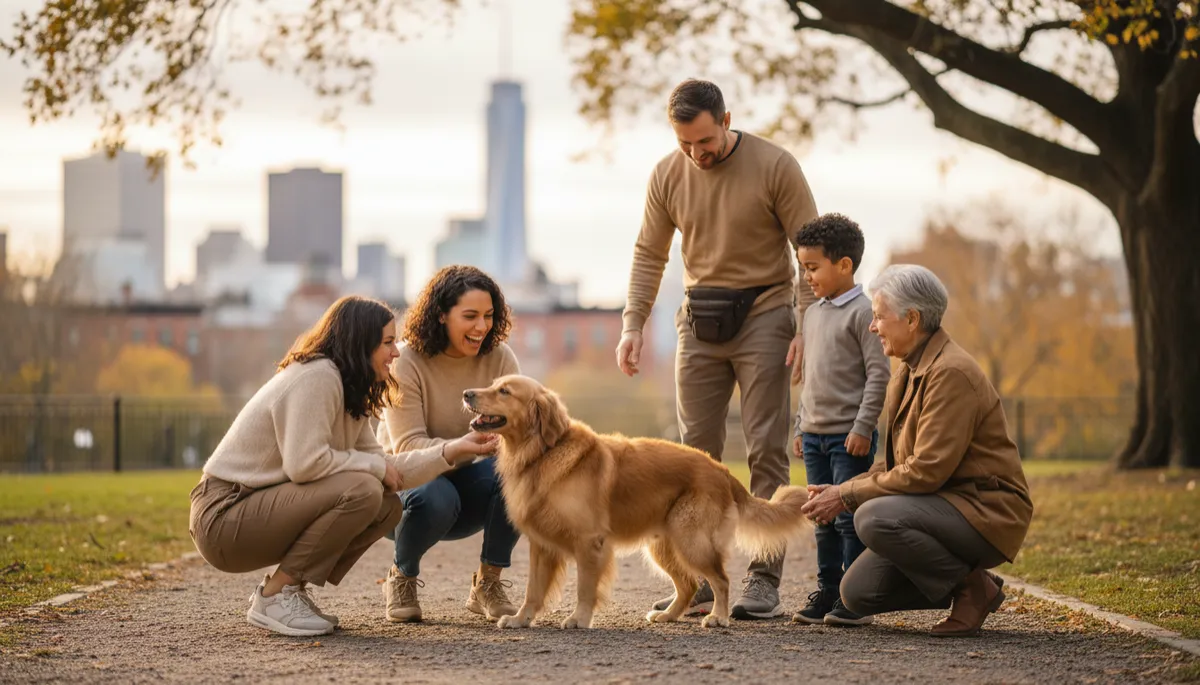
Dog socialization is the process of gently and safely exposing your dog to the world so they learn, “This is normal, and I’m okay.” That includes people of all ages, other dogs, city noises, different surfaces, bikes, strollers, grooming handling, vet visits, and everyday life in a busy place like Brooklyn. When it’s done well, socialization teaches dogs how to cope instead of panic, react, or shut down.
Well-socialized dogs are more relaxed, easier to train, and safer to have around family, friends, and strangers. Poor socialization, on the other hand, is a common root of fear, reactivity, and aggression. According to the American Kennel Club, early and ongoing socialization is one of the most important parts of raising a behaviorally healthy dog. In short, socialization needs aren’t optional extras; they’re a foundation of good dog behavioral development.
The Critical Puppy Socialization Window (and What Happens After)
You’ve probably heard that puppy socialization is crucial in the first few months of life, and that’s absolutely true. There is a sensitive window, roughly from 3 to about 14–16 weeks of age, when puppies are like little sponges. During this time, their brains are wired to absorb new experiences easily and file them under “safe” if those experiences are positive and not overwhelming. This is why thoughtfully run puppy socialization classes are so valuable for early puppy development.
But here’s where many pet parents get tripped up: that window closes, but your dog’s socialization needs do not. After the early months, dogs enter a new phase of development where they may become more cautious, more aware of threats, and more likely to form lasting impressions from scary experiences. If socialization simply stops after puppy kindergarten, you can end up with a teenager who seems suddenly nervous, reactive, or “stubborn” even though you did “all the right things” early on.
The ASPCA notes that many behavior problems show up as dogs mature, not just as puppies. That’s why it’s so important to think of dog socialization as a long game, not a quick checklist you finish before your dog’s first birthday.
Continued Socialization During the Transition Period
The “transition period” is that stretch between cute little puppy and fully mature adult—roughly 5 months to 2 years, depending on the breed. Think of it as your dog’s teenage and young adult years. Hormones are changing, confidence is shifting, and the world can suddenly feel a lot bigger and more intense. This is exactly when continued socialization can make or break how your dog handles life in the long run.
During the dog socialization transition period, your goal is to keep giving your dog controlled, positive experiences with the things they’ll see regularly: people walking past your stoop, kids on scooters, other dogs on leash, visitors coming into your apartment, subway platforms if you travel with your dog, and even quiet time in cafés or parks. Instead of flooding them with chaos, you’re helping them practice calm behavior in real-life situations, one step at a time.
This ongoing work is what truly shapes well-rounded adult dogs. A pup who only met a few friendly dogs in a class at 10 weeks but never practiced walking past dogs on busy Brooklyn sidewalks may still struggle later. Meeting your dog’s changing socialization needs during this transition period prevents small worries from growing into big behavior problems down the road.
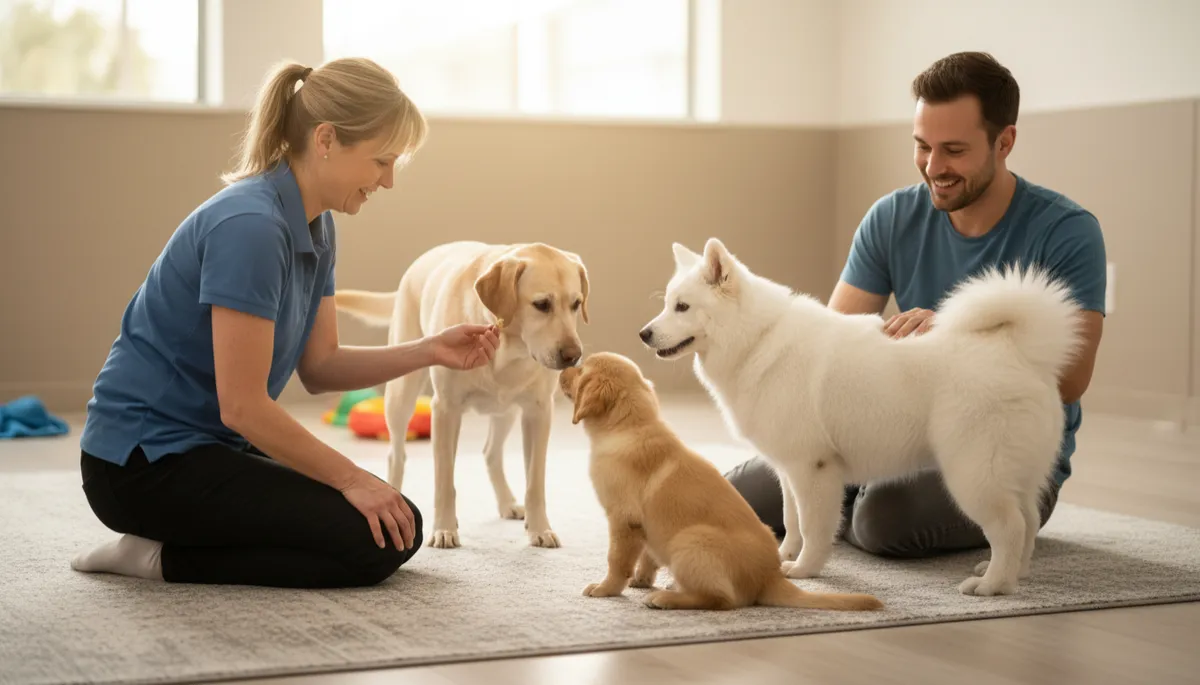
Early classes build confidence, but continued practice creates truly well-rounded adult dogs.
Signs Your Dog Needs More Socialization
Not sure if your dog’s socialization needs are being met? Their behavior is usually your best guide. Here are some common signs a dog might benefit from more (or better planned) socialization:
- Startle or fear responses to everyday sounds like buses, skateboards, or loud voices
- Barking, lunging, or growling at people or dogs on walks, especially at close distances
- Freezing, hiding, or trying to escape in new environments or when visitors come over
- Over-the-top excitement—jumping, mouthing, or dragging you toward every person or dog they see
- Difficulty settling in busy places, even after some time has passed
None of these behaviors mean your dog is “bad” or “broken.” They simply tell us that your dog either missed some key experiences or had a few that were too overwhelming. With a smart plan and patient training, most dogs can make huge progress, especially when you focus on thoughtful dog socialization during the transition to adulthood.
Practical Socialization Tips for Raising a Confident Adult Dog
Good socialization isn’t about throwing your dog into every situation possible; it’s about quality experiences. Here are practical socialization tips for dogs and puppies you can start using right away in Brooklyn or anywhere else:
- Go at your dog’s pace. If they’re staring, licking their lips, or trying to move away, you’re too close or it’s too intense. Create distance until they can relax and take treats.
- Pair new things with good stuff. Every new sound, sight, or person should predict something pleasant—tiny tasty treats, praise, play, or a chance to sniff and explore calmly.
- Practice in layers. Start in quieter places and gradually work up to busier Brooklyn streets or parks. Don’t jump straight from your living room to a packed dog run and expect your dog to know what to do.
- Focus on neutrality, not nonstop play. Socialization for puppies and adults isn’t just about wrestling with other dogs. Learning to calmly walk past dogs and people without reacting is just as important for long-term dog behavioral development.
- Mix in handling and real-life skills. Gently practice touching paws, ears, collars, and harnesses, and pair it with rewards. This makes vet visits, grooming, and everyday care much less stressful later on.
How Professional Dog Training Can Help
Meeting your dog’s socialization needs on your own can feel overwhelming—especially in a busy city. That’s where professional support comes in. At MJacksonk9, a dog training Brooklyn service, we work with puppies, adolescents, and adult dogs to create custom plans that support dog socialization through every life stage, not just the cute early weeks.
Our obedience and puppy classes give young dogs structured chances to practice calm behavior around people and other dogs. For adolescents and adults, 1-on-1 training and behavioral correction programs target specific challenges—like leash reactivity, fear of strangers, or overexcitement—while still building the social skills they need to navigate Brooklyn sidewalks, parks, and apartment living. Instead of guessing, you get a clear roadmap and coaching every step of the way.
With the right guidance, even dogs who missed out on early socialization can make meaningful progress. The goal isn’t perfection; it’s helping your dog feel safe and understood so they can grow into the most confident, well-rounded adult dog they’re capable of being.
Key Takeaways: Raising a Well-Rounded Adult Dog
- Dog socialization is an ongoing process, not a one-time puppy task.
- The early puppy socialization window is important, but what you do afterward matters just as much for long-term behavior.
- Continued socialization during the transition period (adolescence and young adulthood) shapes how your dog handles real life as an adult.
- Signs like fear, reactivity, or overexcitement often signal unmet socialization needs, not a “bad” dog.
- Thoughtful, step-by-step socialization tips for dogs—paired with rewards and patience—build confidence and calm behavior.
- Professional dog training Brooklyn services like MJacksonk9 can guide you through each stage, from puppy development to adult behavior support.
Ready to Help Your Dog Thrive? Contact MJacksonk9 Today!
If you’re looking at your dog and thinking, “We could really use a plan,” you’re not alone—and you don’t have to figure it out by yourself. Whether you’ve just brought home a new puppy or you’re navigating the teenage phase with an energetic young dog, MJacksonk9 is here to help you meet your dog’s socialization needs with clear guidance and real-world support in Brooklyn, NY.
Ready to help your dog thrive? Contact MJacksonk9 today! Reach out to schedule a consultation, enroll in puppy socialization or obedience classes, or book 1-on-1 training tailored to your dog. Together, we can build the skills and confidence your dog needs to grow into a calm, well-rounded adult you’ll be proud to take anywhere.


