Puppy Behavior Changes: Manage with Confidence
Dog Training, Puppy Behavior Changes, Dog Training Brooklyn
Puppy Behavior Changes: What to Expect and How to Manage Them
If your sweet, snuggly puppy has suddenly started ignoring you, chewing everything, or acting like a tiny teenager, you’re not alone. New puppy behavior changes can feel confusing and even a little overwhelming, especially as your dog transitions from puppy to adult. The good news? Most of these behavioral shifts in puppies are completely normal—and with the right game plan, you can manage them calmly and confidently. At MJacksonk9 in Brooklyn, NY, we help families navigate every stage of puppy to adult dog behavior so you can enjoy life with a well-mannered companion, not a furry tornado.
Teething and Chewing Changes: From Tiny Nibbles to Serious Shredding
One of the first noticeable puppy behavior changes happens during teething. Around 3–6 months of age, your puppy’s baby teeth fall out and adult teeth move in. During this phase, chewing ramps up—sometimes dramatically. Shoes, chair legs, phone chargers…nothing seems safe. This isn’t your puppy being “bad.” It’s discomfort, curiosity, and lack of guidance rolled into one furry package.
As your dog moves closer to adulthood, that frantic chewing often shifts. Many dogs become more focused chewers, directing their energy toward specific textures like rubber, rope, or wood. If chewing hasn’t been guided early on, it can turn into a long-term habit that’s hard to break. That’s where early dog behavior management really matters.
Energy Levels and Puppy Adolescence: The Wild Teen Phase
After that tiny, sleepy baby stage, many owners are surprised by the explosion of energy that comes with puppy adolescence—usually between 6 and 18 months. Your dog may seem to have endless zoomies, struggle to settle, and suddenly “forget” all their manners outside. This is one of the most dramatic behavioral shifts in puppies as they move toward adulthood, and it’s also when many people start searching for help with managing dog behavior and obedience training.
Mentally, adolescent dogs are like teenagers—curious, easily distracted, and testing limits. Physically, they’re stronger and faster, which can make pulling, jumping, and play biting feel much more intense. Without a plan, this phase can be frustrating. With structure, it’s a powerful window to build lifelong habits and emotional resilience.
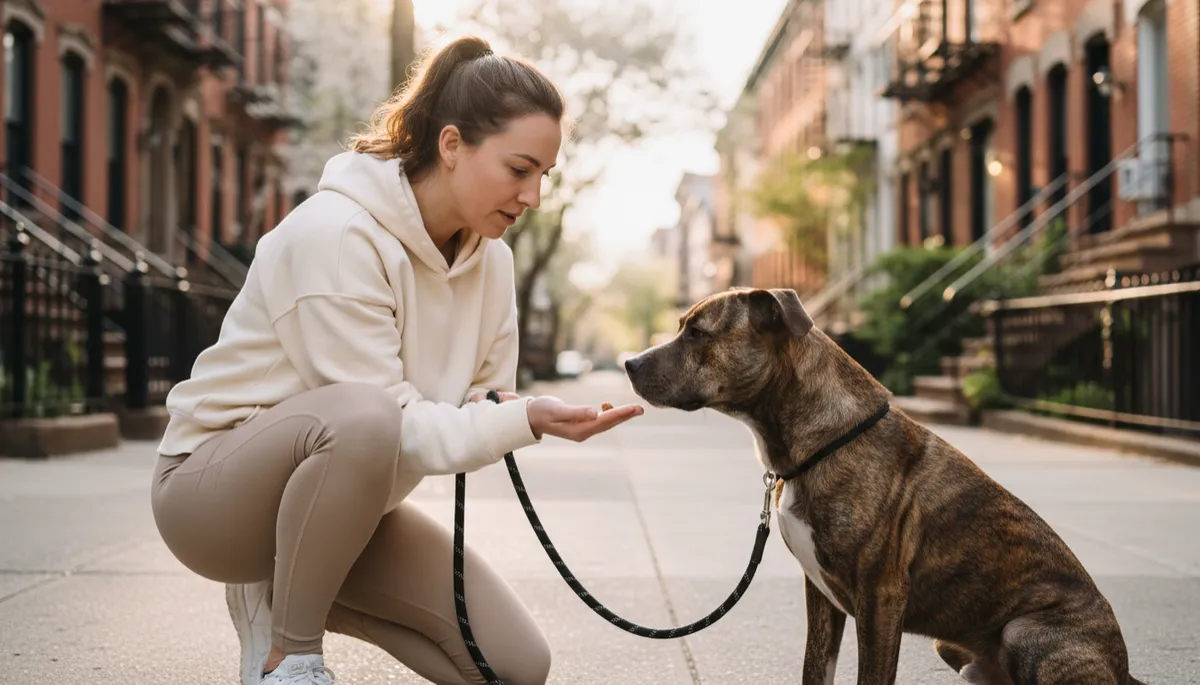
Focused 1-on-1 dog training can turn chaotic puppy energy into calm, reliable behavior.
Hormonal Changes: How Puberty Impacts Puppy to Adult Dog Behavior
Just like humans, dogs go through hormonal changes as they mature. Around 6–12 months, many puppies hit puberty. You might see new behaviors: marking, mounting, roaming tendencies, increased reactivity, or same-sex tension with other dogs. These puppy behavior changes are heavily influenced by hormones, but environment and training still play a huge role in what sticks long term.
Spaying or neutering can affect some of these behaviors, but it’s not a magic reset button. The American Kennel Club notes that timing should be discussed with your vet, because breed, size, and health all matter. Regardless of your decision, consistent behavioral correction, clear boundaries, and positive training are essential during this stage.
Socialization Shifts: From “Everyone Is My Friend” to Selective or Shy
Many puppies start out bold and social—running up to people and dogs with zero hesitation. As they mature, you might notice new wariness: barking at strangers, avoiding certain dogs, or suddenly being unsure about noises, bikes, or kids. These socialization shifts are another normal part of puppy to adult dog behavior, but they can turn into long-term fear or reactivity if not handled thoughtfully.
According to the ASPCA, socialization isn’t a one-time puppy box to check; it’s an ongoing process. During adolescence, your dog is reevaluating the world. They need calm, controlled exposure to people, dogs, and city life—especially in a busy place like Brooklyn—paired with support from you and, ideally, a professional trainer.
Independence and Boundary Testing: “Do I Really Have to Listen?”
Remember when your puppy used to follow you from room to room like a shadow? As they grow, many dogs become more independent. They may wander off at the park, hesitate to come when called, or suddenly decide that listening is optional. This is classic boundary testing and one of the most common puppy behavior changes owners notice during adolescence.
Independence isn’t bad—it’s part of becoming an adult dog. The key is teaching your dog that freedom is earned through good choices. That’s where structured walks, supervised play, and clear house rules come in. At MJacksonk9, we focus on 1-on-1 dog training and customized plans that teach your dog how to make better decisions, not just follow commands when it’s convenient.
Training Regression: When “Sit” and “Come” Suddenly Disappear
One of the most frustrating behavioral shifts in puppies is training regression. Your dog used to sit, stay, and come perfectly in your living room. Now, at the park or on a busy Brooklyn sidewalk, it’s like they’ve never heard those words before. This doesn’t mean your training “failed.” It means your dog is distracted, maturing, and needs help generalizing those skills to the real world.
Think of regression as your dog saying, “Can you remind me what this means when life is exciting?” Going back to basics—with higher-value rewards, shorter sessions, and more structure—is part of solid dog behavior management. Many families find that guided puppy classes or private obedience training sessions at this stage make a huge difference in long-term reliability.
How to Manage Each Stage of Puppy to Adult Dog Behavior
Let’s pull it all together. While every dog is an individual, there are some tried-and-true strategies for managing dog behavior as your puppy grows up. Here’s a simple roadmap you can start using today—and that we build on in our dog training Brooklyn programs at MJacksonk9.
- Teething & Chewing: Provide appropriate outlets. Use frozen Kongs, rubber chews, and supervised chew sessions. Puppy-proof your home and calmly redirect from forbidden items instead of punishing after the fact. This is foundational behavioral correction—showing your dog what to do, not just what not to do.
- Energy & Adolescence: Balance physical and mental exercise. Long, overstimulating play sessions can create more chaos. Instead, mix structured walks, short training games, sniff walks, and calm downtime. Teaching your dog how to relax is just as important as teaching “sit.”
- Hormonal Changes: Talk with your vet about spay/neuter timing and monitor new behaviors closely. Don’t allow rehearsals of problematic habits like constant marking, mounting, or rough play. Interrupt gently, redirect, and reinforce calmer choices. The experts at VetStreet highlight how hormones and environment work together—your daily structure matters a lot.
- Socialization Shifts: Keep experiences positive and controlled. Instead of crowded dog parks, choose calmer environments, neutral dog meetups, or structured sessions with a trainer. Reward your dog for checking in with you, not just for greeting others. Advocate for your dog—if something feels like too much, it probably is.
- Independence & Boundaries: Use long lines, baby gates, and consistent house rules. Don’t give full freedom before your dog has earned it through good choices. Practice recall and place training daily so your dog learns that coming when called and settling are rewarding, not optional.
- Training Regression: Go back a step, not all the way back. If your dog can’t “sit” outside, practice in a quieter spot, then slowly add distractions. Keep sessions short, upbeat, and clear. Consistency from all family members is key—same cues, same rules, same rewards.
Summary: Key Puppy Behavior Changes and How to Handle Them
- Teething & chewing are normal; channel them into safe toys and chews.
- Energy spikes in puppy adolescence need structure, not just more playtime.
- Hormonal changes can influence marking, mounting, and reactivity—training still matters.
- Socialization shifts are common; keep experiences positive, calm, and controlled.
- Independence and boundary testing are part of growing up—use clear rules and earned freedom.
- Training regression doesn’t mean failure; it means it’s time to refresh skills with patience.
Need Help Navigating Puppy Behavior Changes? Contact Us.
If you’re in Brooklyn and feeling overwhelmed by your dog’s new behaviors, you don’t have to figure it out alone. At MJacksonk9, we specialize in dog training Brooklyn families can rely on—custom 1-on-1 dog training, structured puppy classes, and practical puppy training tips you can actually use in real life. Whether you’re dealing with chewing, jumping, pulling, reactivity, or just general “teenage dog” chaos, we’ll help you create a clear, kind plan for managing dog behavior at every stage.
Your puppy’s behavior changes are temporary—but the habits you build together can last a lifetime. If you’re ready for calm walks, better focus, and a stronger bond with your dog, reach out today. Contact Us at MJacksonk9 to schedule professional dog training help in Brooklyn and turn your growing puppy into the confident, well-mannered adult dog you’ve always pictured by your side.


