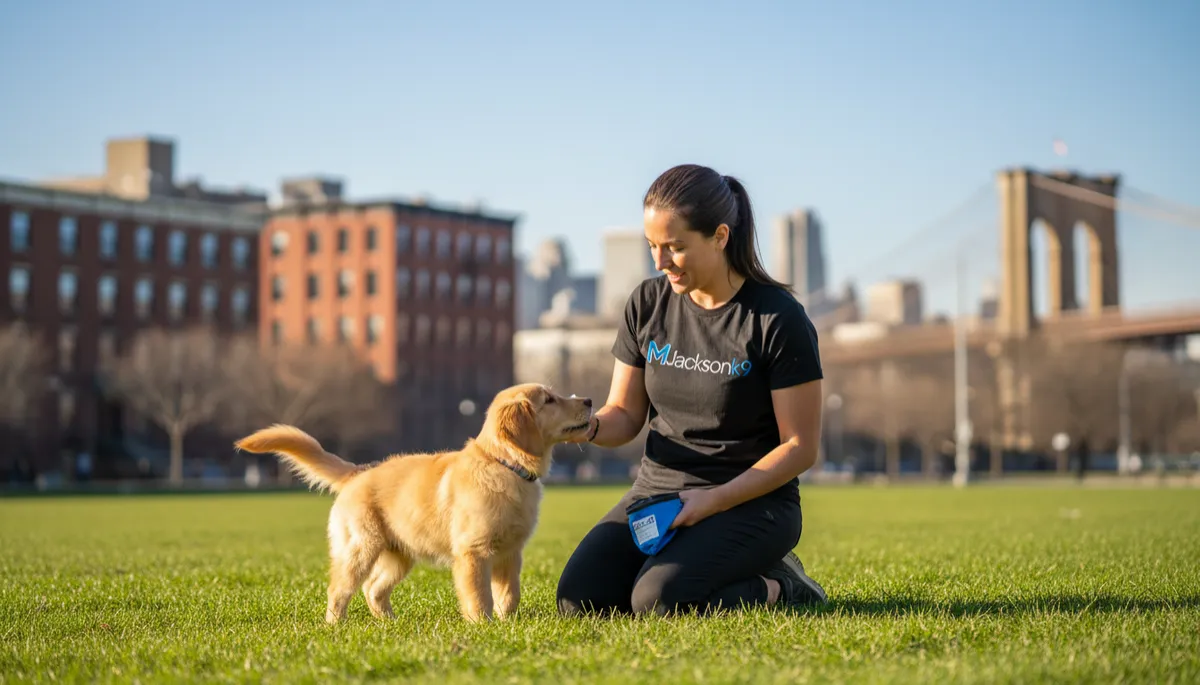
Positive Reinforcement Dog Training Guide 2026
Dog Training, Positive Reinforcement, Brooklyn NY
Positive Reinforcement Dog Training: 2026 Guide for Brooklyn Dog Parents
Written by the MJacksonk9 Team / Certified Dog Trainer – 2026
This article shares general dog training guidance and is not a substitute for veterinary advice. Always consult a licensed veterinarian for health issues or serious behavior concerns.
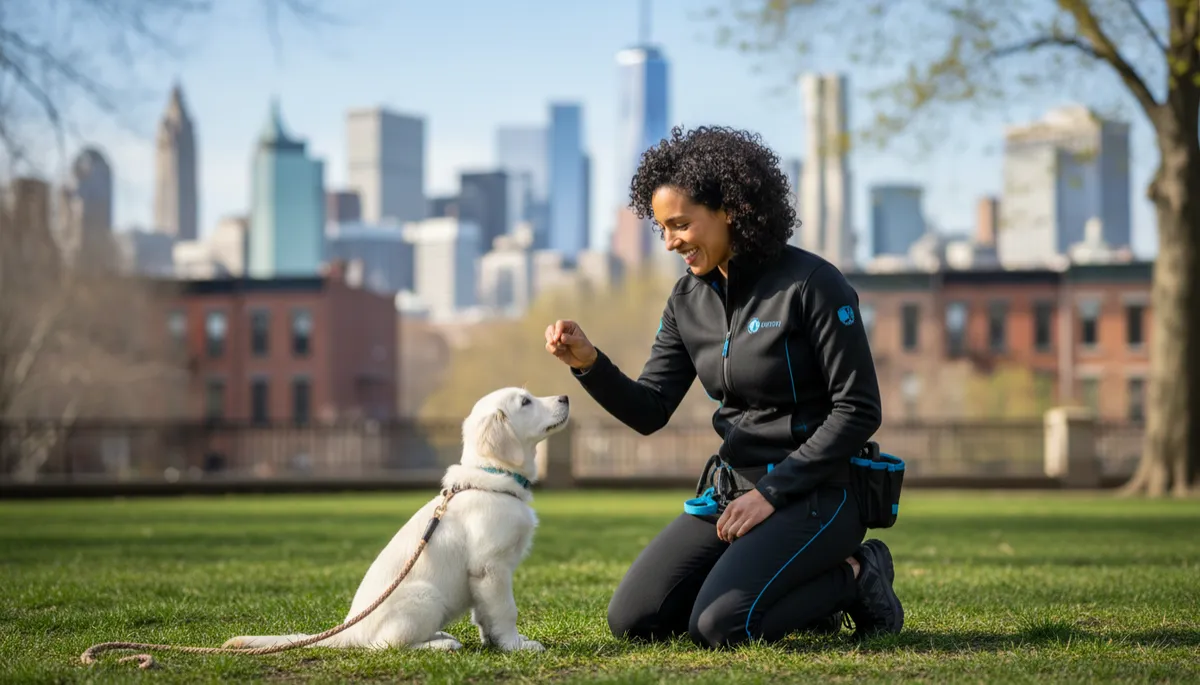
If you’re raising a dog in Brooklyn, you already know there’s a lot competing for your pup’s attention—squirrels in Prospect Park, skateboarders in Williamsburg, delivery bikes everywhere. That’s exactly why positive reinforcement dog training is such a game changer. Instead of constantly saying “no” and feeling frustrated, you teach your dog what you do want and pay them well for getting it right.
In this guide, we’ll walk through how positive reinforcement and reward-based training work, why they’re backed by science, and how Brooklyn dog owners and new puppy parents can use them in everyday life—on busy sidewalks, in elevators, and even in tiny walk-up apartments.
What Is Positive Reinforcement Dog Training, Really?
Let’s keep it simple: positive reinforcement dog training means you reward the behaviors you want, so your dog offers them more often. “Positive” means you’re adding something your dog likes (treats, toys, praise), and “reinforcement” means you’re making that behavior stronger and more likely to happen again.
- Dog sits → you give a treat → your dog sits faster next time.
- Puppy walks nicely on leash → you praise and feed → puppy pulls less and checks in more.
That’s the heart of reward-based training. You’re focusing your energy on reinforcing good choices instead of waiting for mistakes and punishing them. Dogs are learners, not robots. Our philosophy at MJacksonk9 is simple: “Don’t Blame Them, Train Them!” They behave based on what the environment and their humans have taught them so far.
Why Positive Reinforcement Is the Gold Standard in Dog Training
Positive reinforcement isn’t just a “nice” way to train; it’s the approach supported by modern behavior science and leading veterinary and training organizations. The American Veterinary Society of Animal Behavior strongly recommends humane, reward-based methods and warns against heavy-handed punishment, especially for fear or aggression issues.
- Stronger bond: Your dog learns you’re safe, predictable, and worth listening to—not someone to avoid.
- Faster learning: Dogs repeat what pays off. Rewards make training clear and motivating, even for distracted city pups.
- Fewer side effects: Harsh corrections can create fear, anxiety, or even aggression. Positive methods avoid that fallout.
When we talk about behavioral correction in a positive framework, we’re not talking about yelling or leash jerks. We’re talking about managing the environment, teaching an alternative behavior, and then reinforcing the heck out of that better choice. For example, instead of punishing jumping, we teach a solid sit for greetings and pay generously for four paws on the floor.
Positive Reinforcement for Brooklyn Puppy Training Basics
New puppy in a Brooklyn apartment? You’re in the right place. Early puppy training sets the tone for the rest of your dog’s life, especially in a busy neighborhood full of people, dogs, and noise. Positive reinforcement makes those first months less overwhelming and a lot more fun.
- House training: Take your puppy to the same potty spot, quietly wait, then celebrate with treats and praise the second they go. Consistency + reward = faster success.
- Bite control: When puppy teeth land on skin, calmly freeze or step away. When they choose a toy instead, praise and reward. You’re reinforcing gentle mouths without scaring them.
- Socialization: Pair new sounds (subway rumbles, sirens, crowded sidewalks) with treats and play. Your puppy learns Brooklyn is safe, not scary.
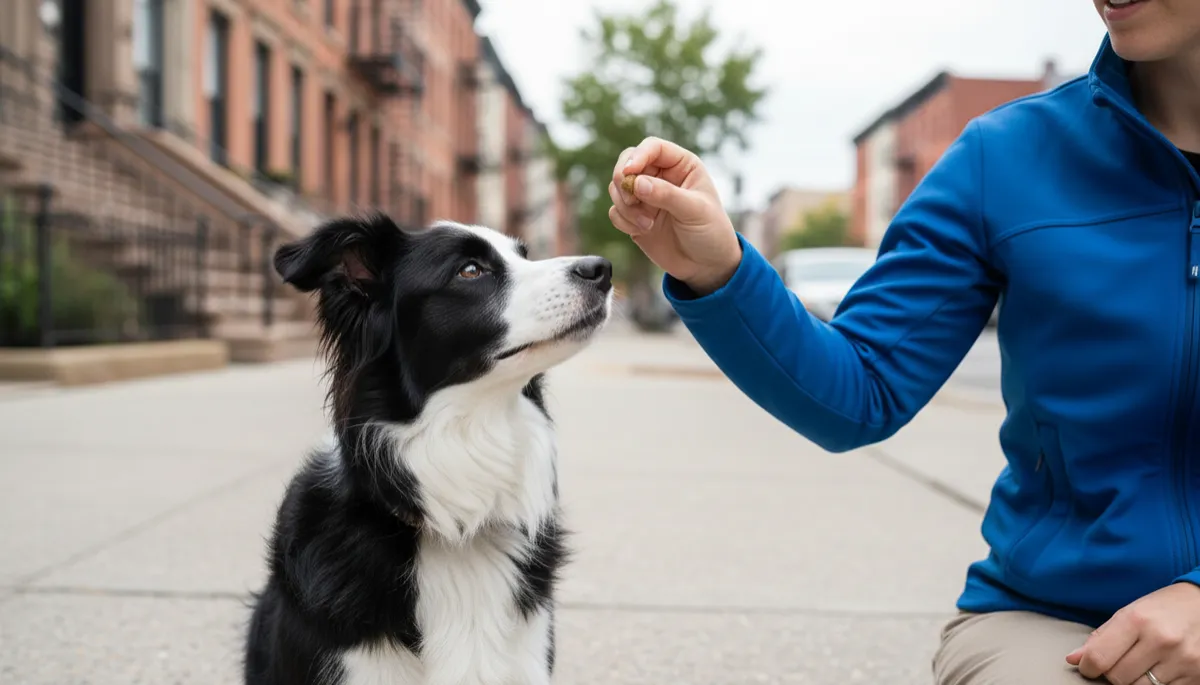
Consistent rewards for calm behavior turn chaotic city walks into everyday training wins.
If you’d like structured help with your Brooklyn puppy, our team offers customized puppy training programs designed for real city living—elevators, stoops, parks, and everything in between.
Building Everyday Dog Obedience with Reward-Based Training
When most people say “dog obedience,” they picture rigid military-style drills. In reality, obedience for Brooklyn life means your dog can listen and respond even with city distractions. Positive reinforcement and reward-based training make that possible without crushing your dog’s spirit.
- Sit and stay at corners: Reward your dog for sitting before you cross the street. Over time, the sight of a crosswalk becomes a cue to sit automatically.
- Loose-leash walking: Mark and reward every moment the leash is slack, especially when your dog chooses to walk by your side instead of pulling toward other dogs or food carts.
- Reliable recall: Start indoors, reward heavily when your dog comes, then gradually add distractions in safe, fenced spaces like dog runs or long-line sessions in the park.
Positive Behavioral Correction Without Fear or Pain
Every dog has behavior challenges at some point—barking at the window, lunging at scooters, counter surfing for bagels. The goal of behavioral correction in a positive reinforcement framework is to change the underlying emotion and teach a different behavior, not just shut your dog down in the moment.
- Manage: Prevent practice of the unwanted behavior (block windows, use baby gates, put food away).
- Teach: Pick a replacement behavior—like going to a mat, making eye contact, or walking away on cue.
- Reinforce: Pay well every time your dog chooses the new behavior, especially when real-life distractions show up.
Tools that rely on pain or fear—like shock collars or harsh leash pops—might suppress behavior in the moment but can damage your dog’s trust and create new problems. That’s why organizations like the American Kennel Club increasingly highlight reward-based approaches as a safer, more effective path.
Our motto, “Don’t Blame Them, Train Them!” matters most here. If your dog is struggling, it’s not about them being “stubborn” or “bad.” It’s information that they need clearer teaching, a different setup, or professional support.
Getting Help: Professional Positive Reinforcement Support in Brooklyn
You don’t have to figure all of this out alone. Working with a certified trainer who specializes in positive reinforcement dog training can speed up progress and give you a clear plan. At MJacksonk9, we tailor dog training services to Brooklyn life—think hallway reactivity, lobby greetings, and calm café hangs.
FAQ: Positive Reinforcement Dog Training in Brooklyn
Q1: Will my dog only listen if I have treats?
Not if you use rewards thoughtfully. In the beginning, food is like your dog’s paycheck for learning in a tough city environment. Over time, we gradually fade the frequency of treats and mix in real-life rewards—like going to sniff, greeting a friend, or getting off-leash play in safe areas. Your dog learns that listening to you consistently makes good things happen, with or without food in your hand.
Q2: Can positive reinforcement help with serious behavior problems?
Yes, but serious issues—like aggression, intense reactivity, or severe anxiety—need a customized plan. Positive reinforcement and careful management are key parts of humane behavioral correction, but we also recommend working with a qualified trainer and teaming up with your veterinarian to rule out medical causes or add behavior medication when appropriate.
Q3: Is positive reinforcement okay for older dogs, or just puppies?
It’s perfect for both. Dogs of any age can learn through reward-based training. Older dogs might even surprise you with how quickly they catch on once they realize good choices finally pay off. It’s never too late to switch to kinder, clearer methods.
Quick Recap: Key Takeaways for Brooklyn Dog Parents
- Positive reinforcement dog training rewards the behaviors you want so your dog offers them more often.
- Reward-based training builds real-world dog obedience for busy Brooklyn streets, parks, and apartment living.
- Humane behavioral correction focuses on management, teaching alternatives, and reinforcing better choices—without fear or pain.
- Your dog isn’t giving you a hard time; they’re having a hard time. Don’t blame them—train them with patience and clarity.
Ready to Start Training? Contact Us
If you’re in Brooklyn and want support with puppy training, everyday manners, or more complex behavior concerns, we’d love to help you and your dog feel more confident together. Visit MJacksonk9.com to learn more and reach out today.


