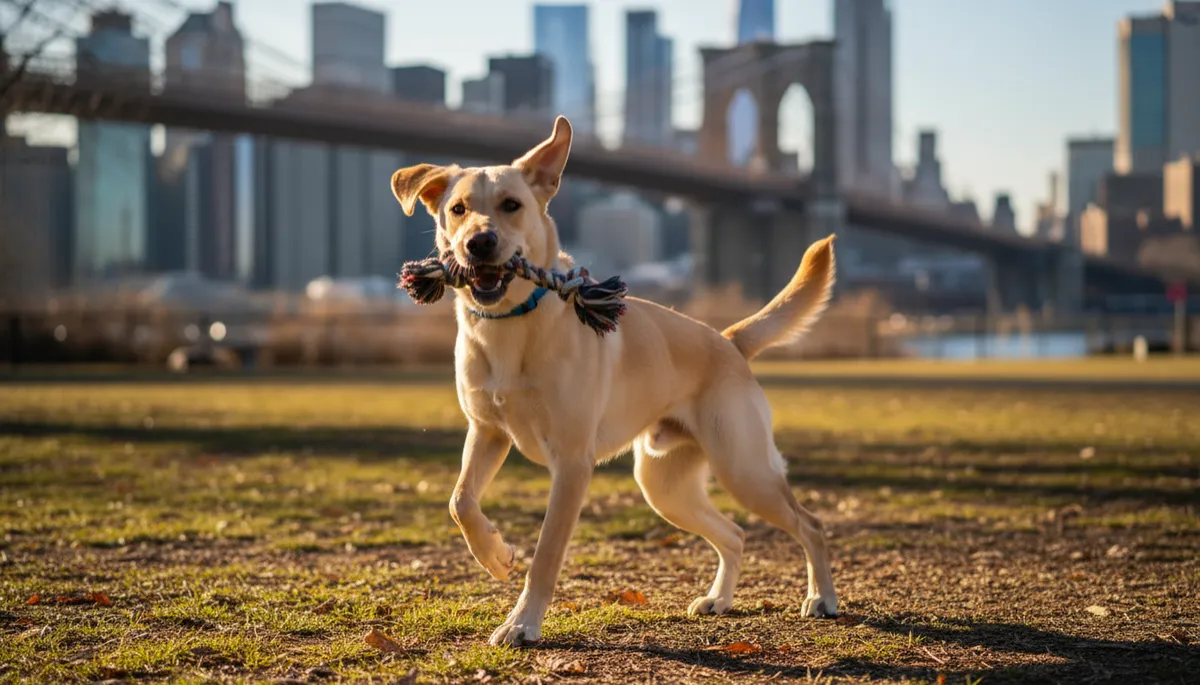
Handling Adolescent Dogs: 2026 Guide to Challenges
Dog Training, Adolescent Dogs, Obedience, Brooklyn NY
Handling Adolescence in Dogs: Your 2026 Guide to the Teenage Phase & Behavioral Challenges
Is your normally sweet adolescent dog suddenly blowing you off, jumping on guests, and pretending they’ve never heard the word “sit”? You’re not alone. The teenage phase in dogs can feel overwhelming, but with the right approach, you and your dog can come out of it closer, calmer, and more connected than ever.
By Michael Jackson, Certified Dog Trainer | MJacksonk9, Brooklyn NY
Vet Disclaimer: This blog is for informational purposes only and does not constitute veterinary advice. Always consult your veterinarian for medical or health-related concerns about your dog.
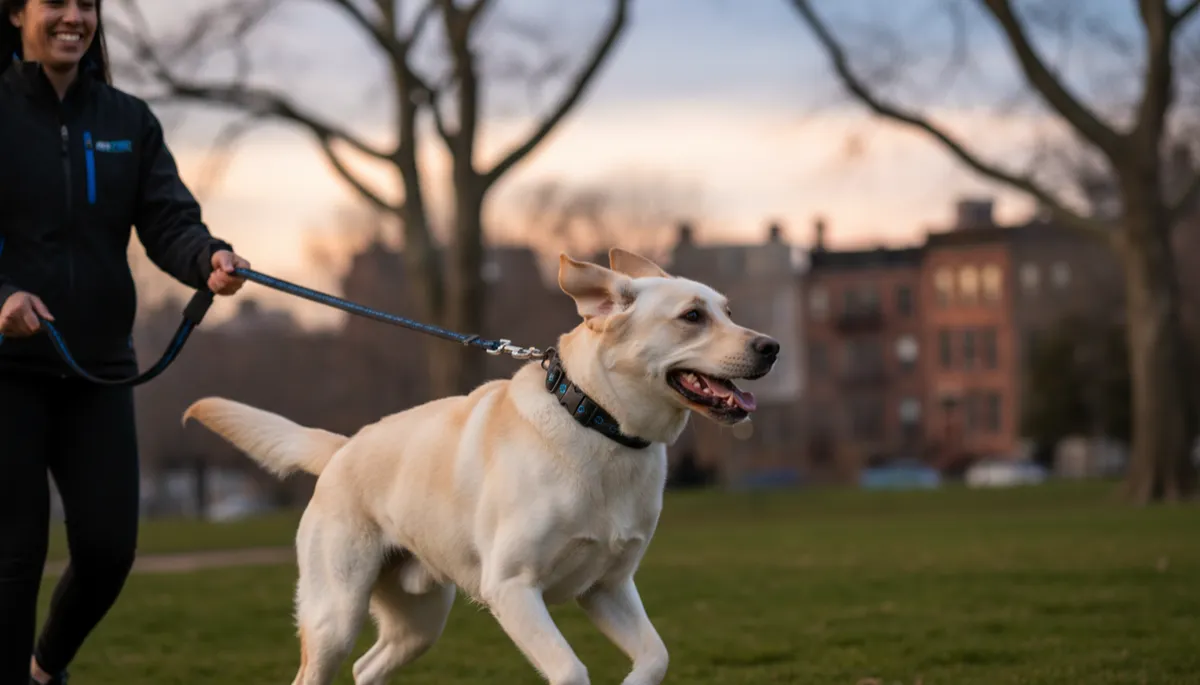
What Is the Teenage Phase in Dogs?
Think of dog adolescence as the bridge between your cute little puppy and your steady adult dog. Most dogs hit this teenage phase somewhere between 6 and 18 months, though larger breeds can stay in that adolescent dog zone until around two years or a bit longer. Small breeds often move through it a little faster; giant breeds can take their time growing up, in every sense of the word.
Under the surface, there’s a lot going on. Hormones are kicking in, and your dog’s brain is literally rewiring itself. Research in recent years has shown that impulse-control areas in the brain mature more slowly, which is why your dog suddenly feels more impulsive, easily distracted, and a bit wild. It’s not that they’re being “bad” on purpose; their brain and body are just out of sync for a while, much like human teenagers.
This is also why it can feel like your dog “forgot” everything they learned in puppy class. They didn’t. Those behaviors are still in there, but the teenage phase in dogs makes it harder for them to choose the calm, trained response when excitement and curiosity are dialed up to ten. The good news? With patient, consistent handling of dog adolescence, that training will resurface and get even stronger over time.
If you’d like to dive deeper into the science of this stage, the American Kennel Club has an excellent overview of dog adolescence that pairs well with the practical tips we’re covering here today.
Common Behavioral Challenges During Dog Adolescence
If your adolescent dog is suddenly acting like a tiny tornado, you’re seeing classic dog behavioral challenges from this life stage. Here are some of the most common ones Brooklyn dog owners tell me about on the phone—often with a mix of frustration and worry in their voice.
Selective hearing. Your dog knows “sit,” “come,” and “down,” but outside, or when guests arrive, it’s like you’re speaking another language. This is normal, but we don’t want it to become a habit.
More energy, less impulse control. Jumping on people, zoomies in the apartment, barking at windows, and pulling hard on the leash all tend to spike during this period.
Rough play, nipping, and mouthing. Your dog may push play too far with you or other dogs, not quite understanding when enough is enough. That can look like body-slamming, grabbing clothes, or nipping hands.
Resource guarding. Some adolescent dogs begin guarding food, toys, or even spots on the couch. This is a sign to slow down, get help early, and avoid confrontations over those items.
Constant boundary testing. Jumping on counters, ignoring the “off the couch” rule, door-dashing, or suddenly refusing to get off the subway platform bench when you ask—this is your dog asking, “Are the rules really the same today?”
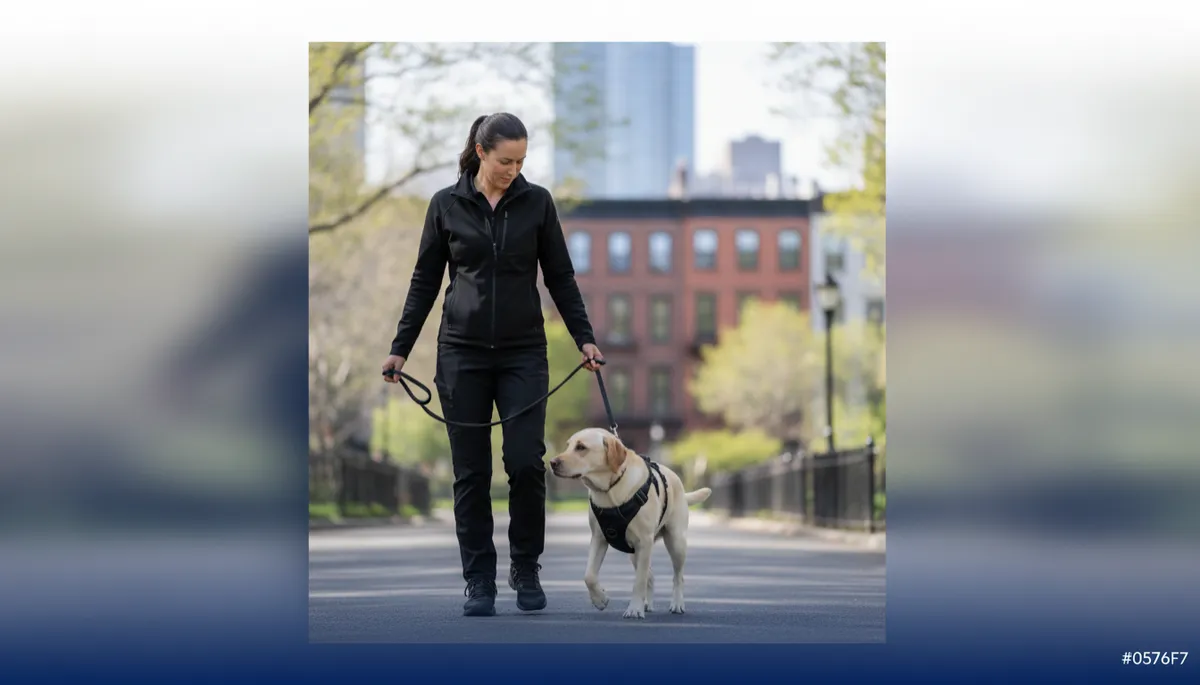
Focused leash work during adolescence prevents pulling and reactivity from becoming long-term habits.
For a broader overview of these dog behavioral challenges, the ASPCA’s guide to adolescent dog behavior is a useful companion resource. But remember, reading is only half the battle—consistent daily practice is where change really happens.
How to Handle an Adolescent Dog — What Actually Works
When you’re handling dog adolescence, your goal isn’t to “win” against your dog. It’s to guide them through a confusing, high-energy stage with clear boundaries and plenty of support. Here’s what I see work again and again with clients in Brooklyn and beyond.
Consistency is king. Use the same words for commands, the same rules in every room, and the same expectations for every family member. If your dog is allowed on the couch with you but not with your partner, they’re going to be confused, not disobedient.
Short, fun training sessions. Aim for 5–10 minutes, two to four times a day. Keep it upbeat and rewarding, so your adolescent dog sees obedience as a game they can win, not a chore they want to avoid.
Management over punishment. Instead of scolding your dog for stealing food off the counter, use baby gates, crates, tethers, and closed doors to prevent the behavior in the first place. You’re not “cheating”—you’re protecting your training and your relationship.
Exercise plus mental work. A quick walk around the block isn’t enough for most adolescent dogs, especially in a stimulating place like Brooklyn. Combine physical exercise (walks, fetch, structured play) with mental work (sniff walks, puzzle toys, obedience drills) so your dog’s brain and body both get tired in a healthy way.
Keep socialization going. Don’t pull back from the world just because your dog is a bit awkward or overexcited. Instead, manage the environment—quieter streets, smaller playgroups, controlled greetings—and pair new experiences with treats and praise. This helps prevent fear and reactivity from taking root.
💡 Pro Tip: During the teenage phase in dogs, think “coach,” not “cop.” Your dog needs structure, but they also need encouragement and clear guidance to make good choices.
Training Tips That Make a Real Difference
When you’re deep in the weeds with an adolescent dog, it can feel like nothing is working. Here are concrete dog obedience training strategies I walk clients through every week that reliably move the needle.
Go back to basics. Revisit sit, down, stay, and recall in low-distraction environments. This isn’t a failure; it’s like reviewing notes before a big exam. Your dog needs extra rehearsal while their brain is changing so quickly.
Use high-value treats. During adolescence, kibble often isn’t enough. Bring out the good stuff—chicken, cheese, or a soft training treat your dog goes crazy for—so listening to you is more rewarding than chasing pigeons or greeting strangers.
Daily leash work. Practice loose leash walking every day, even if it’s just five focused minutes in front of your building. Reward your dog for checking in with you and keeping the leash slack. If they pull, stop, reset, and start again instead of letting them drag you to their goal.
“Nothing in Life is Free.” Have your dog sit, down, or make eye contact before meals, walks, couch time, or play. You’re teaching them that good manners make good things happen, which is huge during this pushy, experimental stage.
If you feel like you’ve hit a wall, structured help can make all the difference. At MJacksonk9, we offer programs designed specifically with adolescent dogs in mind, as well as personalized 1-on-1 training sessions for dogs who need extra focus and support.
For another trusted perspective on adolescent dog behavior, you can also review the VCA Hospitals resource on adolescent dogs. It lines up closely with what we see on the ground in real Brooklyn homes and parks.
When to Call a Professional Dog Trainer
Not every challenge you see in your adolescent dog is “just a phase.” Sometimes, what starts as normal teenage behavior can slide into something more serious if it’s not addressed early and thoughtfully. That’s where professional support becomes less of a luxury and more of an investment in your dog’s future.
Your dog is showing aggression—growling, snapping, or biting—toward people or other dogs, especially around food, toys, or resting spots.
You’re seeing severe anxiety or reactivity, like intense barking, lunging, or panic on walks or when left alone, that doesn’t ease with simple management.
Your dog’s behavior is starting to affect your daily life—skipped walks, tension at home, or feeling embarrassed to have guests over.
Getting help during the teenage phase in dogs is not about admitting defeat. It’s about shortening the learning curve for both of you. A qualified trainer can spot patterns you might miss, give you a clear step-by-step plan, and support you emotionally while you do the work. The habits your dog forms now can shape the next 10–15 years of your life together, so this is one of the best times to invest in guidance.
Key Takeaways
The teenage phase in dogs typically runs from about 6 to 18 months, longer for large breeds, and comes with real brain and hormone changes—not just “stubbornness.”
Common dog behavioral challenges include selective hearing, jumping, pulling, rough play, and testing boundaries, all of which are manageable with the right plan.
Handling dog adolescence successfully means staying consistent, using management tools, keeping sessions short and fun, and meeting your dog’s physical and mental needs every day.
Going back to basics in dog obedience training is normal and smart during this phase—it strengthens your dog’s skills instead of erasing them.
If you’re seeing aggression, severe anxiety, or reactivity, or you simply feel stuck, working with a professional trainer early can prevent bigger issues down the line.
Frequently Asked Questions About Dog Adolescence
At what age does the teenage phase start in dogs?
Most dogs enter adolescence around 6–8 months old, though smaller breeds may start a little earlier and larger breeds a bit later. You’ll usually notice more energy, independence, and boundary-testing as early signs that your puppy is shifting into their adolescent dog stage.
How long does the teenage phase last in dogs?
For many dogs, the most intense teenage phase in dogs runs from about 6 to 18 months. Large and giant breeds may stay mentally “teenage” closer to two years or more. The good news is that with steady training, you’ll usually see gradual improvement long before the phase is officially over.
Why does my dog ignore commands during adolescence?
Your dog isn’t being spiteful; their brain is juggling new hormones, bigger feelings, and a growing interest in the world. That makes it harder to focus, especially with distractions. Going back to basics, using higher-value rewards, and practicing in easier environments first will help your dog remember and choose the right behavior again.
Should I restart dog training during the teenage phase?
You don’t have to start from zero, but you should absolutely refresh and reinforce training. Think of it like reviewing and then building on what your dog already knows. Regular dog obedience training during adolescence is one of the best ways to prevent small problems from turning into adult habits.
Can the teenage phase cause aggression in dogs?
Mild frustration or pushy behavior can show up during adolescence, but true aggression—growling, snapping, or biting—is a red flag, not something to ignore. While hormones and stress can make issues more visible at this age, aggression usually needs professional assessment and a tailored plan. If you see these signs, reach out to a trainer or veterinary behaviorist promptly.
Struggling with Your Dog's Teenage Phase? Let’s Make a Plan.
If you’re reading this and thinking, “This is my life right now,” take a breath. You and your dog are not broken, and you don’t have to figure this out alone. At MJacksonk9, we specialize in guiding Brooklyn dog owners through the ups and downs of adolescence with patience, science-backed training, and real-world strategies that fit city living.
Struggling with your dog’s teenage phase? You don’t have to tackle it solo.


