Dog Health: Importance of Seasonal Vet Visits
Dog Health, Seasonal Care, Veterinary Visits, Brooklyn Dog Training
Dog Health Check-Ups: Why Regular Veterinary Visits Matter During Seasonal Transitions
Dog health check-ups aren’t just a “once in a while” thing you squeeze in when something seems off. Regular veterinary visits, especially around each seasonal transition, are one of the best ways to protect your dog’s long-term health and happiness. As temperatures, daylight, and routines shift, your dog’s body and behavior shift too, and that’s when subtle issues can quietly start. Building a simple, seasonal rhythm of vet care keeps small problems from becoming big ones and gives you peace of mind all year long.
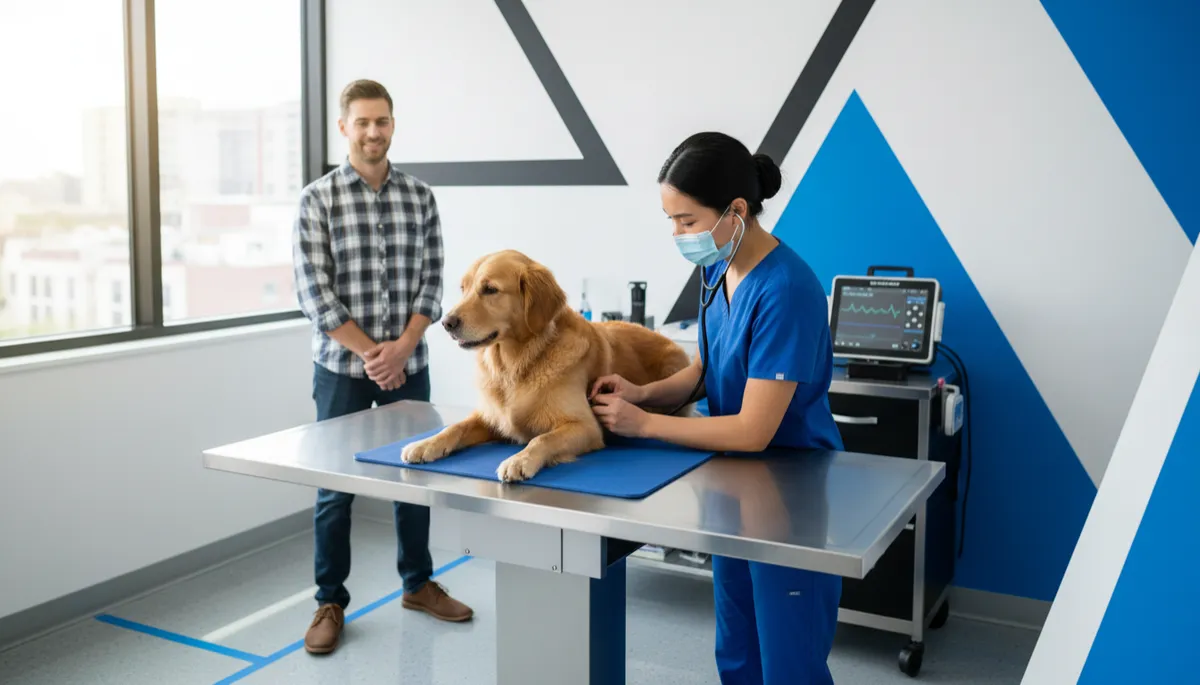
Why Seasonal Changes Affect Your Dog's Health
Just like us, dogs feel the impact of changing seasons. A seasonal transition means changes in temperature, humidity, pollen levels, and even your daily routine. All of that can affect your dog’s body, mood, and behavior in ways that aren’t always obvious at first glance.
In Brooklyn, for example, we go from humid summers to chilly, wet falls and icy winters. Those shifts can:
- Flare up allergies as new pollens, molds, and dust levels change.
- Worsen joint pain or arthritis in cooler, damp weather, especially in older dogs or large breeds.
- Increase parasite risk (fleas, ticks, mosquitoes) in warmer or wetter months if prevention isn’t up to date.
- Trigger behavioral and anxiety changes when daylight hours, walk schedules, or family routines shift.
Seasonal transition dogs might sleep more, seem stiff after resting, lick their paws, or act “off” on walks. Dog health monitoring during these times helps you catch patterns early instead of waiting until there’s a full-blown problem. That’s where regular veterinary visits and smart training support work beautifully together.
What Happens During a Routine Dog Health Check-Up?
If it’s been a while since your pup saw the vet, it can help to know what actually happens during dog health check-ups. A good wellness visit is much more than a quick shot and a pat on the head. It’s a full-body snapshot of your dog’s health at this moment in time.
- History and lifestyle chat. Your vet will ask about eating, drinking, bathroom habits, energy levels, behavior changes, and any concerns you’ve noticed since the last visit. This is where you mention things like increased scratching in spring or stiffness in fall.
- Physical exam. They’ll check your dog’s eyes, ears, teeth, gums, skin, coat, heart, lungs, abdomen, joints, and weight. Many seasonal dog health issues show up here first as subtle changes in coat, weight, or movement.
- Parasite and vaccine review. Your vet will confirm that flea, tick, and heartworm prevention are appropriate for the upcoming season and that vaccines are on schedule. This is especially important for fall health check dogs heading into colder weather and indoor socializing.
- Lab work when needed. Bloodwork, fecal tests, or urine tests can reveal early kidney, liver, or metabolic issues long before your dog looks sick on the outside.
- Personalized recommendations. You’ll get guidance on nutrition, exercise, puppy health (if you’ve got a youngster), and any behavior or training concerns you’re noticing around the seasonal transition.
For more detail on what vets look for, you can explore trusted resources like the American Veterinary Medical Association (AVMA) and the American Kennel Club dog health library. They offer great background information to pair with the hands-on advice from your own veterinarian.
Health Issues to Monitor During the Seasonal Transition
During each seasonal transition, there are specific dog health issues worth watching more closely. Think of it as a mental checklist you run through every few weeks as the weather and your routines change.
Allergies and Skin/Coat Changes
Spring and fall are notorious for allergy flare-ups. You might notice your dog licking their paws, shaking their ears, or scratching more than usual. Their coat might look dull, or you may spot red, irritated patches on the skin. These aren’t just annoyances; they can lead to infections if left untreated, so regular veterinary visits during these times are key.
Joint Pain and Arthritis
Cold, damp weather can make arthritic joints ache, especially in senior dogs or large breeds. Watch for stiffness getting up, reluctance to jump on the couch, lagging behind on walks, or changes in gait. Your vet may recommend supplements, pain management, or modified exercise to keep your dog comfortable as seasons change.
Weight Changes and Activity Levels
In summer, many dogs are more active; in winter, shorter days and icy sidewalks can mean fewer walks and more couch time. Even a small change in daily exercise can affect weight over a few months. Dog health monitoring should include regular weigh-ins and body condition checks—your vet can show you how to feel ribs and waistline so you can track at home between dog health check-ups.
Parasite Prevention
Fleas, ticks, and mosquitoes don’t follow a strict calendar, especially in urban areas where heat lingers. During each seasonal transition, confirm with your vet whether you should adjust or continue preventives. A quick chat or visit can prevent months of itching, infections, or more serious illnesses like Lyme disease or heartworm. The VCA Animal Hospitals site also has helpful guides on parasite risks by region.
Dental Health
Cooler months often mean more indoor treats and chews. Without regular brushing or professional cleanings, tartar can build up quickly. Bad breath, red gums, or difficulty chewing are signs it’s time to get those teeth checked. Good dental care supports overall dog wellness and can even improve energy and behavior.
Anxiety and Behavioral Changes
This is a big one we see at MJacksonk9. Seasonal transition dogs often act differently: barking more at noises, hesitating on dark evening walks, reacting to holiday visitors, or struggling when school or work schedules change. Sometimes what looks like “stubbornness” or “bad behavior” is your dog telling you they’re uncomfortable, in pain, or anxious.
A vet visit can rule out medical causes, and then training steps in to help your dog feel secure and confident. Obedience training, puppy classes, and 1-on-1 behavioral sessions can make transitions smoother for both of you—especially in a busy place like Brooklyn where the environment changes block by block.
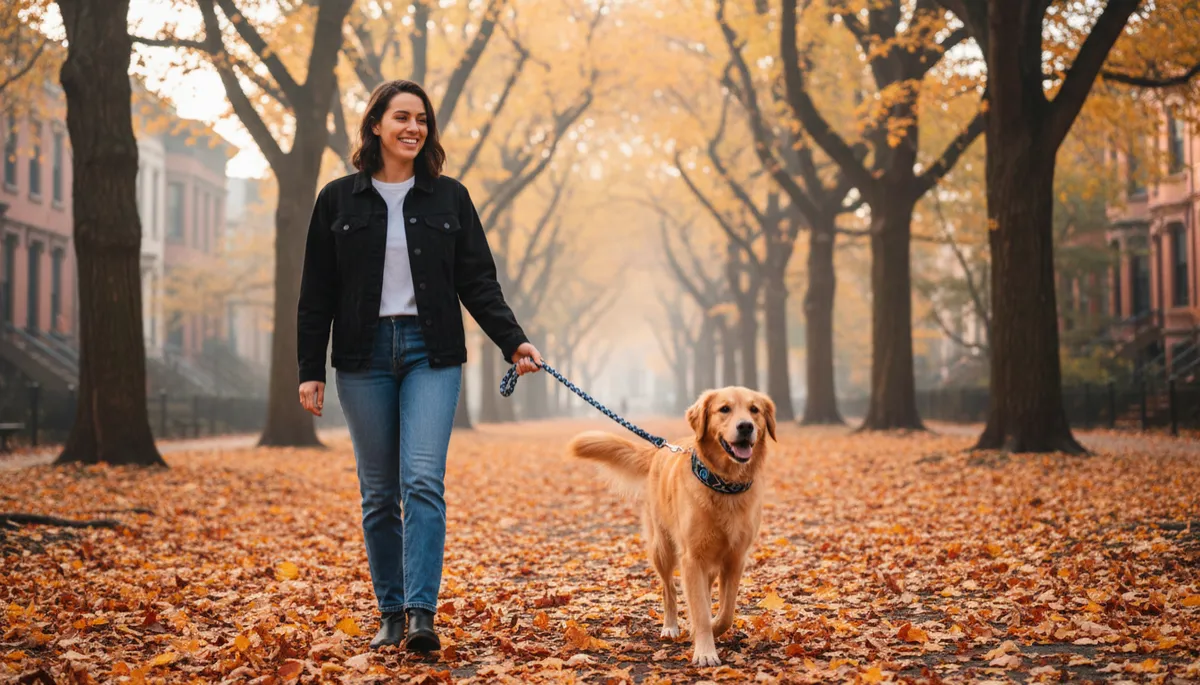
Regular fall walks help you spot subtle health and behavior changes early.
How Often Should Your Dog Visit the Vet?
There’s no one-size-fits-all answer, but there are solid guidelines. Most healthy adult dogs should have at least one full wellness exam per year. Many vets now recommend twice-yearly dog health check-ups so they can catch changes sooner—especially as dogs age or if they have existing conditions.
- Puppies: Need frequent vet visits for dogs in their first year—vaccines, growth checks, and guidance on puppy health, nutrition, and training. Seasonal transitions matter here too, because puppies are still building immunity and confidence in new environments.
- Adult dogs: At least once a year, with an extra visit around a major seasonal transition if your dog has allergies, joint issues, or behavior changes that tend to flare up.
- Senior dogs: Often every six months, plus any additional check-ups your vet recommends. Older dogs can change quickly, and early detection makes a huge difference.
If you’re ever unsure, ask your veterinarian to map out a yearly schedule that lines up with the seasons in your area. In Brooklyn, it often makes sense to plan vet visits for dogs around spring and fall, when weather and routines shift the most.
Simple Ways to Support Your Dog's Health Between Vet Visits
Regular veterinary visits are essential, but what you do day-to-day matters just as much. Think of yourself as your dog’s first line of defense—your eyes, hands, and instincts are incredibly valuable for dog health monitoring between appointments.
- Do quick weekly check-ins. Run your hands over your dog’s body to feel for lumps, bumps, or sore spots. Check ears for odor or redness, eyes for discharge, and gums for color and swelling.
- Watch eating, drinking, and bathroom habits. Sudden changes—more thirst, less appetite, accidents in the house—can be early warning signs worth a call to your vet.
- Keep a simple health and behavior log. Especially around each seasonal transition, jot down notes about coughing, scratching, stiffness, or behavior changes. This makes your regular veterinary visits much more informative and efficient.
- Maintain consistent exercise and training. Daily walks, mental enrichment, and clear training routines support dog wellness physically and emotionally. At MJacksonk9, we see how obedience training and behavioral work can ease anxiety that pops up when schedules and weather change.
- Adjust routines with the season. In hot months, walk early or late to avoid heat. In winter, shorten walks if it’s icy and use indoor play or training sessions to burn energy. Small tweaks keep your dog safe while still meeting their need for movement and structure.
Key Takeaways
- Seasonal transitions can trigger allergies, joint pain, weight changes, and behavior shifts in dogs, so this is a smart time to prioritize dog health check-ups.
- Regular veterinary visits—ideally at least once a year, and often twice—help catch subtle dog health issues early and keep parasite prevention, vaccines, and dental care on track.
- Health issues to monitor include allergies, skin and coat changes, arthritis, weight shifts, parasites, dental problems, and anxiety or behavioral changes linked to the season.
- Simple at-home dog health monitoring—weekly check-ins, logs, and consistent routines—makes your vet’s job easier and gives your dog more comfortable, predictable days.
- Training and behavior support from professionals like MJacksonk9 in Brooklyn can complement vet care, especially when seasonal changes stir up anxiety or reactivity.
Support Your Dog Through Every Season with MJacksonk9
You know your dog better than anyone—and your vet knows how to keep them physically healthy. At MJacksonk9, we step in to support the behavioral and training side, especially when seasonal transitions shake things up. Together, that makes a powerful team for your dog’s overall wellness.
Whether you’re raising a new puppy, fine-tuning obedience in an adult dog, or working through anxiety or reactivity that seems to spike with weather and routine changes, we’re here to help. Our Brooklyn-based obedience training, puppy classes, behavioral correction, and 1-on-1 sessions are designed to meet dogs where they are—and help them feel safe, confident, and calm in every season.
Ready to pair smart training with regular veterinary visits and give your dog their healthiest year yet?


