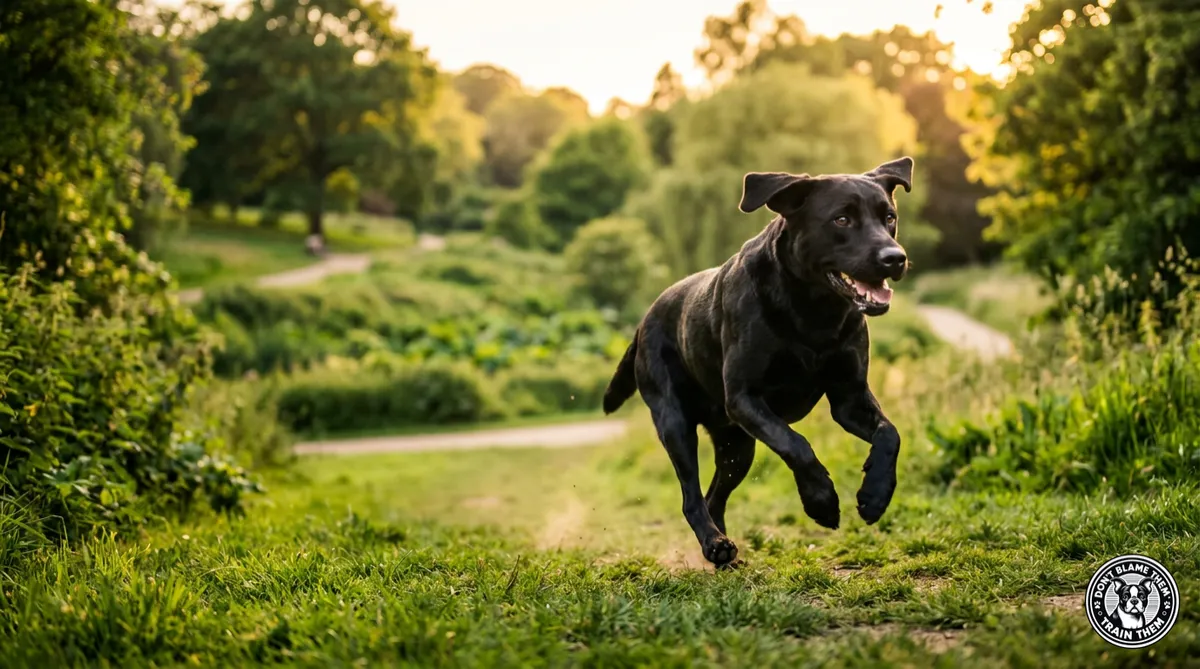
Dog Exercise Needs: How to Keep Your Dog Fit and Happy at Every Life Stage (2026 Guide)
By Michael Jackson — Head Trainer & Founder, MJacksonk9
Veterinary Disclaimer: This article is for general informational purposes only and is not a substitute for professional veterinary advice. Always consult your veterinarian before making significant changes to your dog's exercise routine.
If you've ever watched your puppy do zoomies at midnight, or noticed your older dog choosing the couch over the dog park, you already know the truth — dog exercise needs are not one-size-fits-all. What energizes a six-month-old Golden Retriever looks completely different from what's right for a nine-year-old Beagle. And if you're not adjusting your dog's routine as they grow, you might be doing more harm than good — or leaving them seriously understimulated. In this guide, we're breaking down exactly how your dog's exercise requirements change across every life stage, plus the often-overlooked secret to a truly fulfilled dog: mental stimulation.
Why Your Dog's Exercise Needs Matter More Than You Think
Let's cut straight to it — a dog that doesn't get enough exercise is usually a dog that acts out. Chewing furniture, excessive barking, digging up the backyard, pacing, hyperactivity — these aren't bad dog behaviors. They're bored dog behaviors. Exercise is one of the most powerful tools in your toolkit for keeping your dog balanced, calm, and genuinely happy.
But the benefits run deeper than just burning off steam. Regular physical activity supports healthy joints, helps maintain an ideal weight, strengthens the cardiovascular system, and even improves your dog's mood and mental well-being. According to the American Kennel Club (AKC), most adult dogs need between 30 minutes and 2 hours of daily exercise — but breed, age, and health all play a major role. The trick is knowing what YOUR dog needs at each stage of their life.
Puppy Exercise Needs: Starting Off on the Right Paw
Bringing home a puppy is one of the best feelings in the world. But it also comes with one of the most common mistakes new dog owners make — over-exercising. Puppies grow fast, and their bones, joints, and growth plates are still developing. Too much high-impact exercise too early can cause real, lasting damage.
Here's a rule you'll want to bookmark: the 5-minute rule. For every month of age, give your puppy about 5 minutes of structured exercise, up to twice a day. A 3-month-old puppy? That's roughly 15 minutes, twice daily. Keep it low-impact — gentle leash walks, light backyard play, and short training sessions.
And here's where it gets exciting: puppy training IS exercise. When your pup is learning to sit, stay, come, or navigate basic commands, they're burning both physical and mental energy. It's incredibly effective — and it lays the groundwork for a well-behaved adult dog.
Our puppy obedience classes at MJacksonk9 are specifically designed around these developmental stages. We focus on age-appropriate activity that challenges your pup without overloading their growing body.
- Keep sessions short — quality over quantity
- Avoid repetitive jumping or long-distance running until at least 12–18 months
- Let your puppy sniff! Sniffing is mentally enriching and naturally self-paced
- Mix training into every outing
Adolescent Dogs (6–18 Months): The Energy Explosion
Welcome to the teenage years of dog ownership. Adolescent dogs can feel like a completely different animal from the sweet puppy you brought home — endless energy, selective listening, and a serious case of the zoomies at the worst possible moments. If this is you right now, you're not alone.
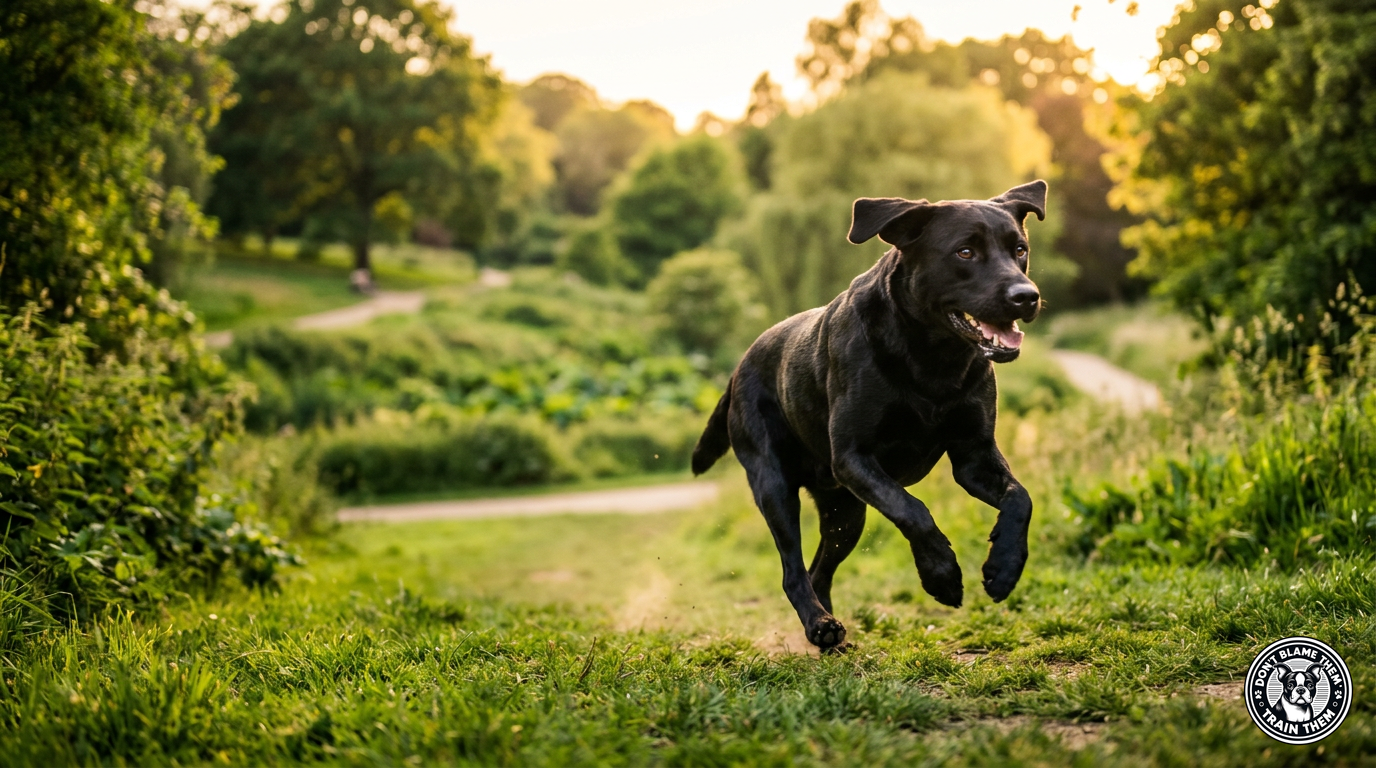
Here's the good news: this is the stage where your dog can finally handle more structured, vigorous activity. Depending on their breed and size, longer walks, fetch, swimming, and even running alongside a bike become real options. The key is to build up gradually and keep things consistent.
Consistency is also your best friend when it comes to training during this phase. An adolescent dog that has a structured outlet for their energy AND understands your expectations is a joy to live with. Our 1-on-1 behavioral training sessions at MJacksonk9 are designed exactly for this stage — helping Brooklyn dog owners get through the teenage phase with their sanity (and furniture) intact.
Adult Dogs (Ages 2–7): Finding Your Rhythm
Once your dog settles into adulthood, their exercise needs become more predictable — though breed still makes a huge difference. A Border Collie and a Basset Hound have wildly different definitions of a satisfying workout.
As a general benchmark, most adult dogs thrive with:
- 30 minutes to 2 hours of moderate to vigorous exercise daily
- A variety of activities — walks, play sessions, swimming, off-leash time in safe enclosed areas
- Mental enrichment woven into their daily routine
- Breed-tailored adjustments — high-drive breeds like Huskies, German Shepherds, and Australian Shepherds may need significantly more
The biggest trap adult dog owners fall into? Doing the exact same walk every single day. Routine is good — but variety keeps your dog mentally sharp and physically challenged. Swap up your routes, introduce new games, and don't underestimate the power of a good training session to shake things up.
Senior Dogs (7+ Years): Gentle Movement, Big Rewards
As your dog grows into their senior years, things shift. The long runs get shorter. The mornings start a little stiffer. They might take a beat longer to get going. And that's completely okay — it's just a signal to evolve your approach, not abandon it.
Senior dogs still need regular movement. In fact, gentle daily exercise is one of the most important things you can do for an aging dog. It helps manage arthritis, supports healthy weight, and plays a meaningful role in maintaining cognitive function. According to VCA Animal Hospitals, low-impact options like short walks, gentle swimming, and light play are ideal for dogs in their golden years.
- Shorter walks, more frequently — rather than one long outing
- Always warm up slowly and follow your dog's lead
- Watch for signs of discomfort: limping, excessive panting, or reluctance to move
- Consider hydrotherapy or gentle massage for dogs managing joint issues
- Check in with your vet regularly to adjust the routine as needed
Mental Stimulation for Dogs: The Secret Ingredient You're Probably Missing
Here's something that surprises a lot of dog owners: a tired body doesn't always mean a satisfied mind. Mental stimulation for dogs is every bit as important as physical exercise — and in many cases, it's the more powerful tool for calming problem behavior.
Consider this: a focused 10-minute training session can tire your dog out as much as a 30-minute walk. When your dog is problem-solving, tracking a scent, or learning something new, they're spending cognitive energy that leaves them genuinely content.
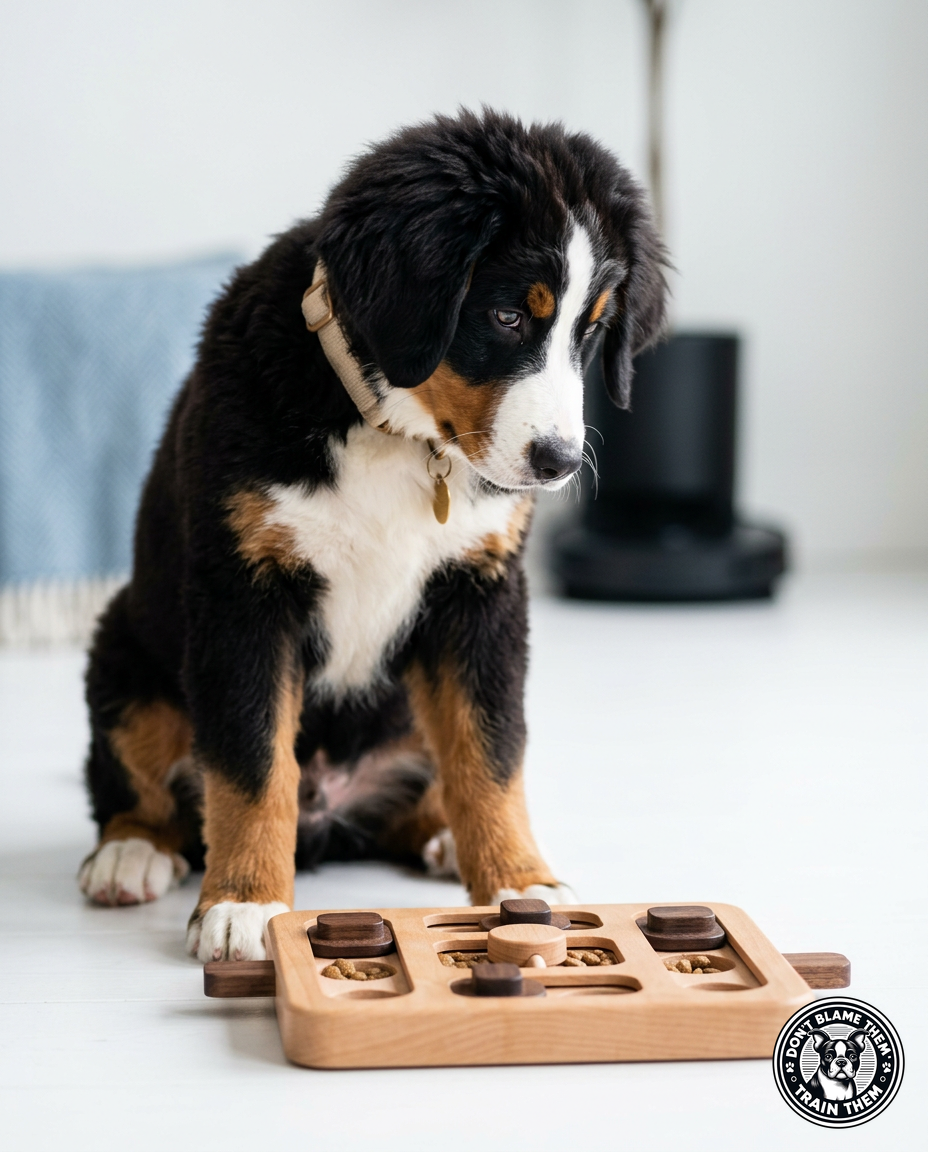
- Puzzle feeders and snuffle mats — make mealtime work for them
- Training sessions — even 10 minutes of teaching new tricks goes a long way
- Sniff walks — ditch the structured pace and let your dog explore with their nose
- Hide-and-seek games — hide treats or toys around the house for them to find
- New environments and social experiences — fresh smells, textures, and sounds are serious brain fuel
For a deeper dive into dog enrichment strategies, this guide from the ASPCA is a great resource.
Signs Your Dog Isn't Getting Enough Exercise
Not sure if the current routine is working? Watch for these warning signs:
- Destructive behavior (chewing, digging, scratching)
- Can't settle down — constantly restless or hyperactive
- Excessive barking or whining
- Noticeable weight gain
- Constant attention-seeking
- Withdrawal, anxiety, or a general lack of interest in play
If several of these are ringing a bell, it's time to reassess — and possibly bring in a professional to help build a routine that fits your dog's specific needs.
Key Takeaways: Dog Exercise Needs by Life Stage
| Life Stage | Daily Exercise Goal | Focus Area |
|---|---|---|
| Puppy (0–6 months) | 5 min x age in months, 2x daily | Low-impact, training-based |
| Adolescent (6–18 months) | 30–60 min, gradually increasing | Consistency, structured play |
| Adult (2–7 years) | 30 min–2 hours | Variety, breed-specific needs |
| Senior (7+ years) | Short, gentle frequent sessions | Joint-friendly, mental enrichment |
FAQ: Dog Exercise Needs
How much exercise does a puppy need per day?
Use the 5-minute rule: 5 minutes per month of age, up to twice daily. A 4-month-old puppy needs about 20 minutes of activity, twice a day. Keep it gentle and training-focused.
What counts as mental stimulation for dogs?
Puzzle toys, training sessions, sniff walks, scent games, and new environments all count. Even 10 minutes of training can tire a dog out as much as a 30-minute walk.
Can I over-exercise my dog?
Yes — especially with puppies. Excess high-impact activity before growth plates close can cause lasting joint damage. Watch for limping, reluctance to continue, or excessive panting.
How do I know if my senior dog is getting enough exercise?
A well-exercised senior maintains a healthy weight, stays mentally alert, and shows interest in daily activities. Persistent stiffness or lethargy? Time to call your vet and adjust the routine.
Ready to Build the Right Routine for Your Dog?
Every dog is different — and figuring out the right balance of physical activity and mental stimulation is something we love helping with at MJacksonk9. Whether your pup is a wild-eyed eight-week-old or a wise ten-year-old, we've got the experience and the approach to help them thrive.
Contact us today to book your first session — we're right here in Brooklyn and ready to help. Follow MJacksonk9 on Instagram for daily training tips, enrichment ideas, and behind-the-scenes training content.


